With 17 years in the plastic waste sector, Sandram knows his PP from his LDPE and his PET from his HDPE.
But fair, transparent and equitable prices are not so familiar.
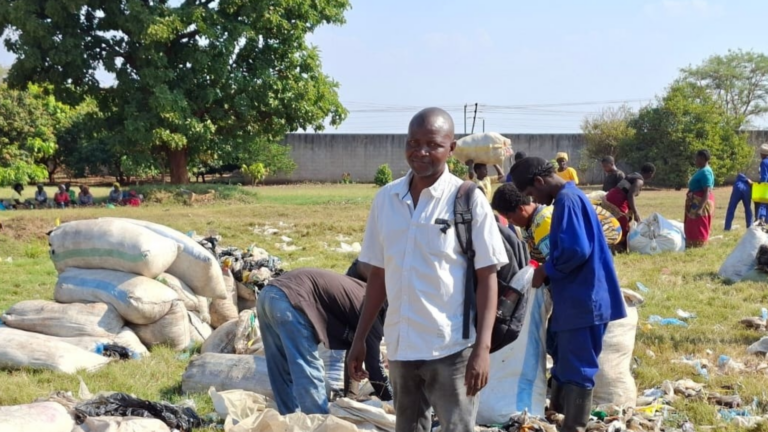
Sandram runs S&J Waste Management in Lilongwe, Malawi, where plastic waste is bought from waste pickers before being sorted and sold on to recyclers, all helping to ensure plastic is kept in the loop rather than polluting the environment.
A business which has helped him to build a life for his family, but progress has been slow. For years, entrepreneurs like Sandram have had little bargaining power when selling their plastics, often having to accept whatever prices recyclers were willing to offer.
Today with the help of FINILOOP things are changing.
Over the last few months FINILOOP organised stakeholder meetings, in which plastic waste entrepreneurs (traders) in Lilongwe, including Sandram, have been meeting with recyclers to share their challenges, explore opportunities and build fairer working relationships.
Recyclers who, prior to these meetings, were often a faceless next step in the value chain offering no negotiation on price and poorly treating the traders they rely on for their feedstock.
The dynamic is now shifting.
As traders and recyclers get to know one another, relationships are improving and opportunities for negotiation are opening up. Recyclers, many of whom have themselves been struggling with feedstock shortages, are increasingly recognising the value of the traders supplying them.
“Now we know a lot of recyclers, we discuss about our business, we agree the price.” – Sandram
For Sandram this means an almost 40% increase in the amount recyclers are willing to pay for his plastics. Increased income which he is able to invest in improving working conditions and providing employment opportunities for more local people.
Building stronger businesses
Having the confidence to demand better prices, however, takes more than improved relationships. It also requires having the skills and knowledge to put forward a good business case.
Through FINILOOP’s business development training, Sandram has been developing the skills needed to professionalise and improve his operations.
“In the training we learnt a lot of things… before I was just doing my business without any records, just buying and selling, buying and selling, not knowing whether I’m making a loss or even a win. But now I have an expense and an income book where I write each and every expense and income so I know when I am making a loss or a profit.”
Keeping track of expenses and income are vital to building a track record which is indispensable to become investment ready. Alongside this, Sandram has also taken the step of formalising his business giving him more legitimacy when speaking to recyclers.
Strengthening the supply chain
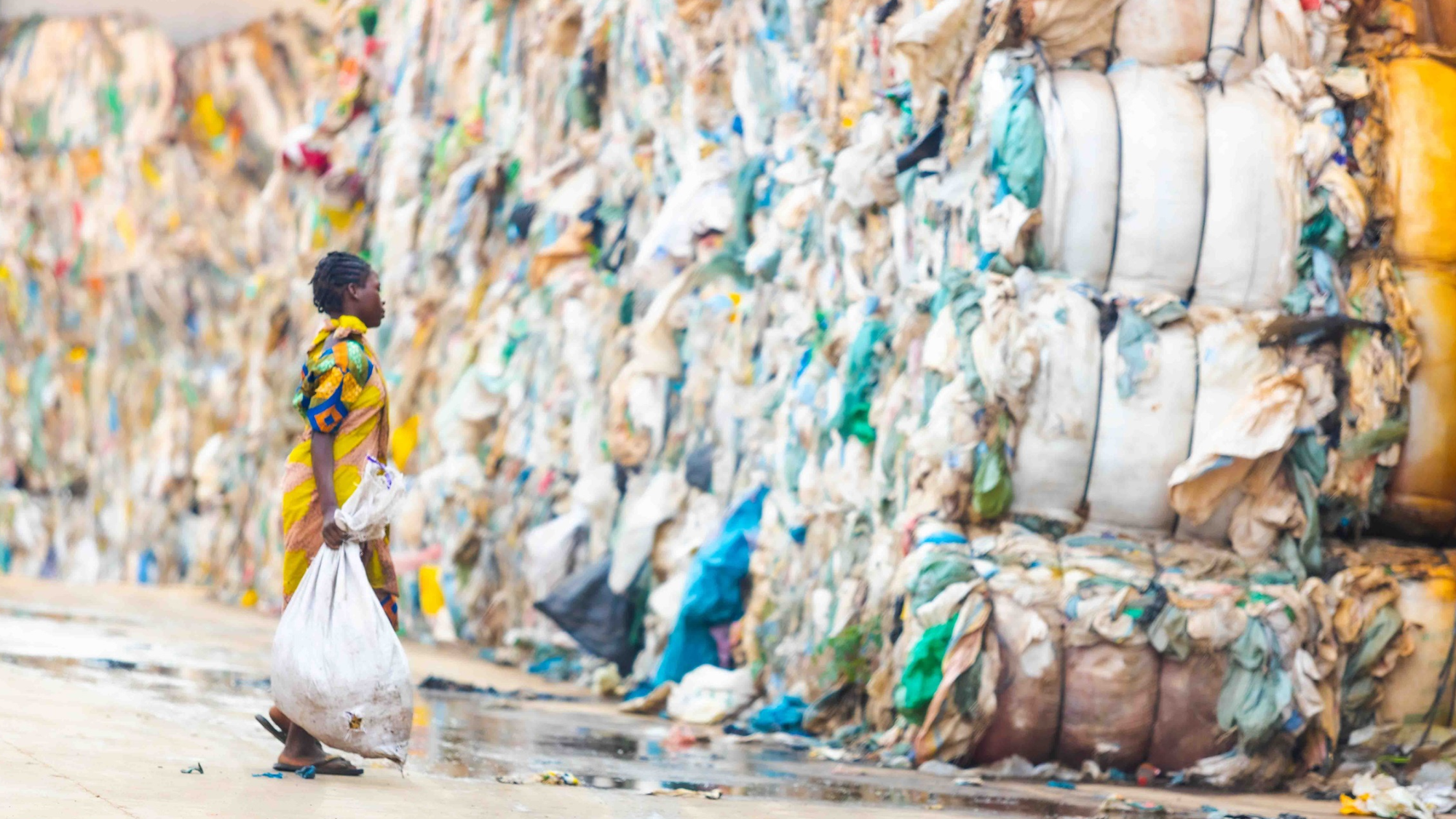
As relationships between traders and recyclers improve, the benefits are rippling out along the plastic waste value chain and reaching informal waste workers (IWWs) too. Increased competition between recyclers is pushing up the prices they are willing to pay for plastic, creating greater incentives for IWWs to collect more. This, combined with FINILOOP training on how to collect and sort plastic waste more efficiently, is helping to increase the supply of materials within the value chain.
For traders like Sandram, that means more plastic to buy and sell, creating further opportunities to expand.
Creating an enabling environment
Sandram’s story demonstrates what can happen when relationships between different actors in the plastic waste value chain begin to improve. But what if we could strengthen connections across an entire city’s plastic waste management system?
We believe this is essential to achieving sustainable, systemic change.
That’s why at the heart of FINILOOP lies its multi-stakeholder diamond approach. An approach which not only strengthens each individual stakeholder group but also the relationships between them, including informal waste workers, traders and recyclers, local governments, communities and financial institutions.
These connections matter because they help create the enabling environment needed for systems to thrive. Better collection, sorting and washing creates a more reliable supply for traders and recyclers. Stronger businesses create more employment opportunities, improved access to finance helps enterprises expand, and the right laws set by the local government support growth.
In Lilongwe, the quantity and quality of plastic waste being collected and recycled is increasing, bringing with it new livelihood opportunities and contributing to a stronger local circular economy.
There is still much progress to make, but Sandram’s experience shows what is possible when stakeholders across the value chain are better connected, better equipped and able to secure a fairer deal.
Together, we’re working towards a more inclusive and resilient circular economy in Lilongwe.
Find out more about FINILOOP here or connect directly with the team: [email protected]