Home / About WASTE / Programme and P... / Projects / Informal Sector... / Economic aspects of the informal sector activities in solid waste management

Updated: Wednesday 19 July 2006

Economic aspects of the informal sector activities in solid waste management

Introduction

WASTE, advisers on urban environment and development, in Gouda, the Netherlands, in partnership with Skat of St. Gallen, Switzerland and six Southern cities, has executed a contract with GTZ, the Deutsche Gesellschaft für Technische Zusammenarbeit (GTZ) to study the economic impact of the informal sector in solid waste in three cities. An additional three study cities are co-financed by the Collaborative Working Group on Solid Waste Management (CWG). The study started on May 29 with a technical co-ordination meeting in Switzerland, and should be completed by the end of October 2006.

The study is implemented by six local organisations who work together with WASTE, Skat, and a team of economists and environmental scientists to analyse and model the existing solid waste situation, and also scenarios that eliminate or optimise the informal sector’s participation. The participatory methodology combines action research, modelling, economic analysis of socio-economic and environmental impacts, and local consultation with the informal sector and other stakeholders. Keywords are: solid waste, garbage, rag pickers, waste pickers, informal sector, recycling.

Six Cities

The study will be conducted with six partner organisations, called “City partners”:

  • Cairo, Egypt. The partner is CID, a consulting and educational organisation serving the Coptic Christian Zaballeen waste collectors.
  • Cluj-Napoca, Romania. The partner is Green Partners, an environmental consulting firm.
  • Lima, Peru. The partner is IPES, an NGO think-tank
  • Lusaka, Zambia.The partner is Riverine Associates, an environmental consulting firm.
  • Pune, India. The partner is KKPKP, a trade union of waste pickers
  • Quezon City, the Philippines. The partner is SWAPP, Solid Waste Association of the Philippines.

The city partners have experience with the formal or informal solid waste management system, and are themselves local stakeholders. The city teams are deliberately diverse to bring a broader perspective to the team, and are supported by an international team of economists, engineers and environmental specialists, organised into “backstopping teams.” from Costa Rica, the US, India, Chile, the Netherlands, Switzerland, and Germany.

Background

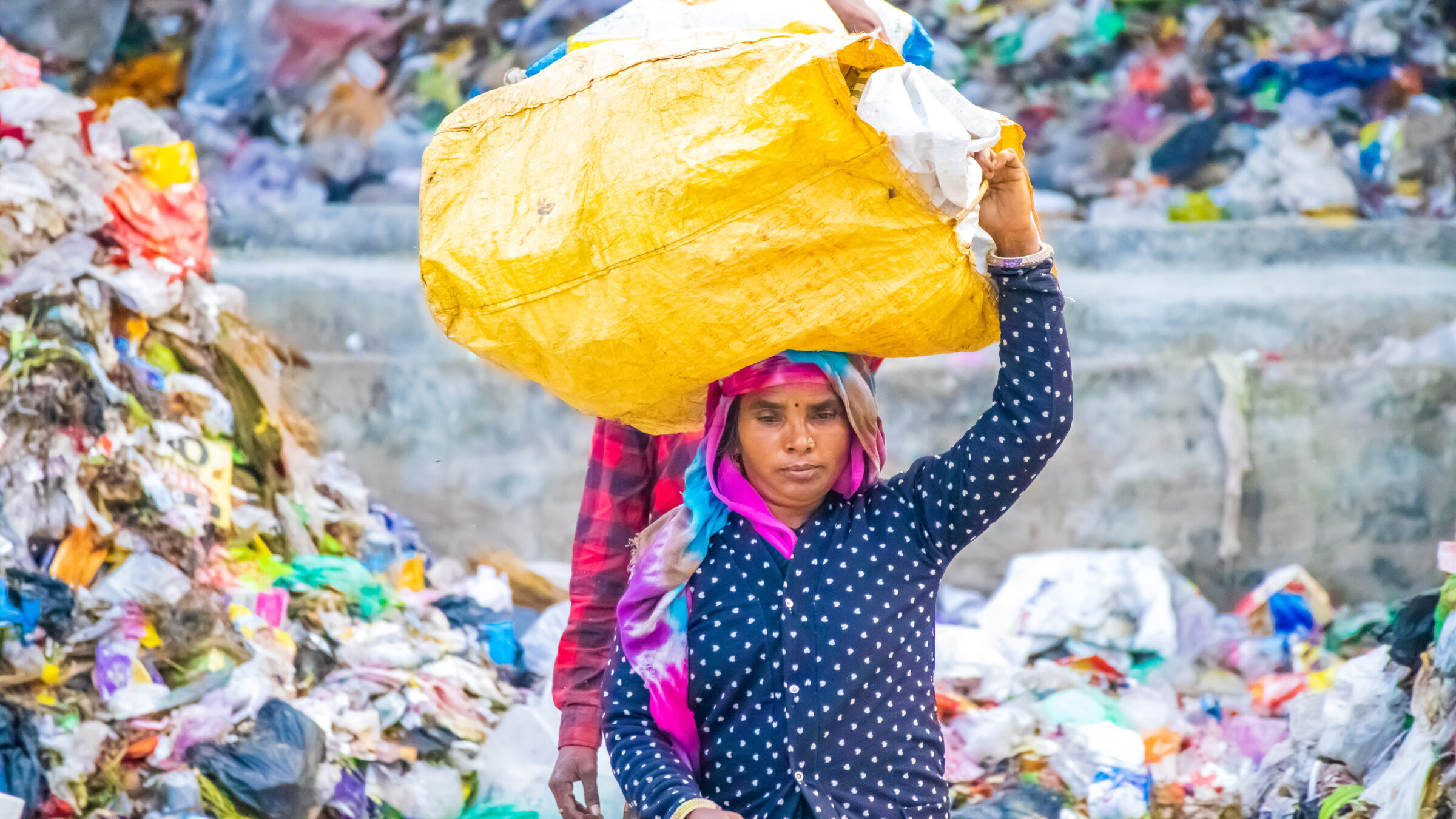
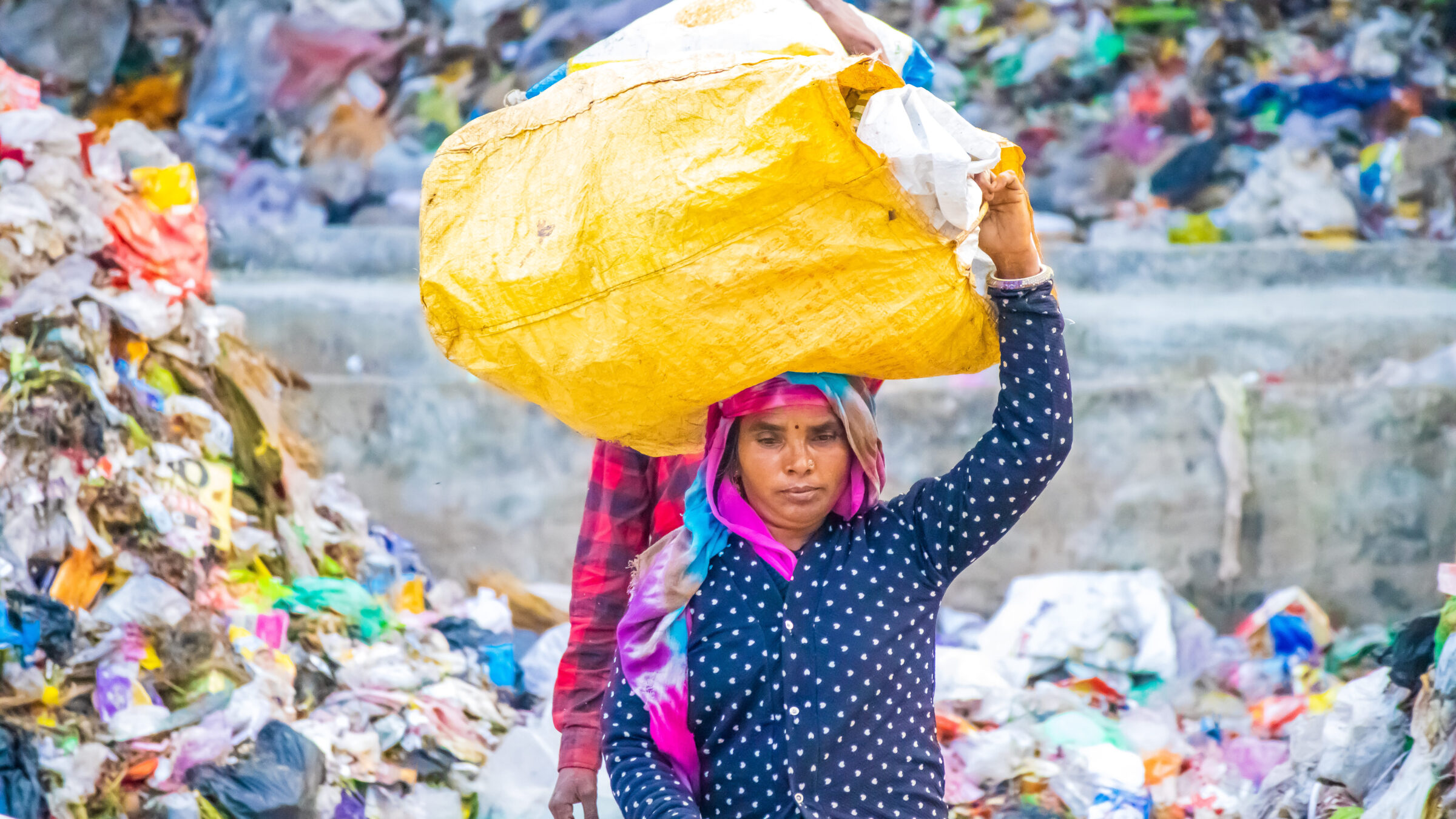
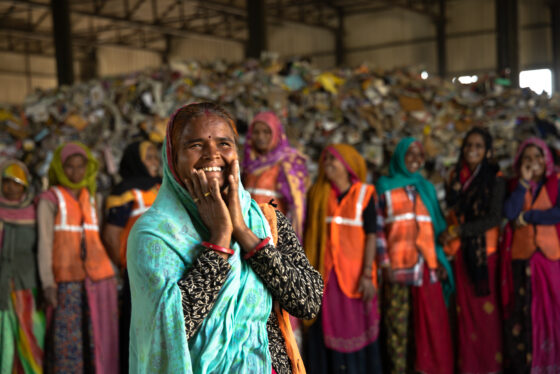
In many low- and middle-income countries, collecting, sorting, trading and recycling of disposed materials provides income to hundreds of thousands of people worldwide. Many of these people are working parallel to the formal solid waste system – only in an informal manner. This means that these people are not contracted by municipal governments or other entities that are responsible for providing waste related services. Although this informal waste sector has been given credit for its services by various NGOs and academics, few attempts have been made to valuate the costs and benefits the activities of this sector for local and global societies.

In this context, this study aims at providing reliable data on the informal sector, based on data collection and analysis done by partners of WASTE and Skat (City Partners) in six cities in low- and middle-income countries.

Goal and methodology

The overall objective of this study is to provide reliable data to use in discussions about the economic impact of informal sector activities in municipal solid waste management. An important secondary goal is to create a credible methodology for other cities to make the same analysis, and to strengthen the capability of the six partner organisations, and others like them, to replicate the study in other cities.

The study is designed as follows:
In a technical co-ordination meeting, the entire team met to synchronise concepts, address questions, agree on the methodology and arrive at common definitions.

Next, each local City Partner produces a city report which characterises, in narrative, materials flow, and quantitative terms, both the formal and the informal solid waste systems. The resulting materials balance shows the flow and quantities of waste and recyclables. In addition, the city partners collect parameters, data and coefficients to allow them, with help of the project support team, to make an excel model of the waste and financial flows. In a separate related research, the project team develops and applies a methodology to apply economic, social, and environmental impacts to the activities of the informal sector on the formal solid waste system. This integrated model produces an assessment that forms the “baseline” for the study, which is accompanied by a qualitative analysis of strengths, weaknesses, opportunities and threats.

Then, to understand the impacts and significance of the situation more fully, the local partner formulates and models two basic scenarios:

  1. The "subtraction scenario" models the logistical effects, and applies the economic, social and environmental impacts of the disappearance of the informal waste sector, that is, the case in which they voluntarily or because of external circumstances, stop their operations. These impacts are then monetised to make up the balance of what the effects are.
  2. The "integration scenario" models the logistical and financial effects, again with their economic, social and environmental impacts, of a set of strategies that could be taken to maximise the integration of the informal waste sector into the operations and institutions of the formal solid waste system, which itself is modernising. The specific approaches and strategies are selected by the city partner in each city, based on experiences there or elsewhere.

Based on the results, the city partners can make recommendations for action in their cities, and GTZ and the CWG can make policy recommendations to governments and donor organisations.