Organic waste
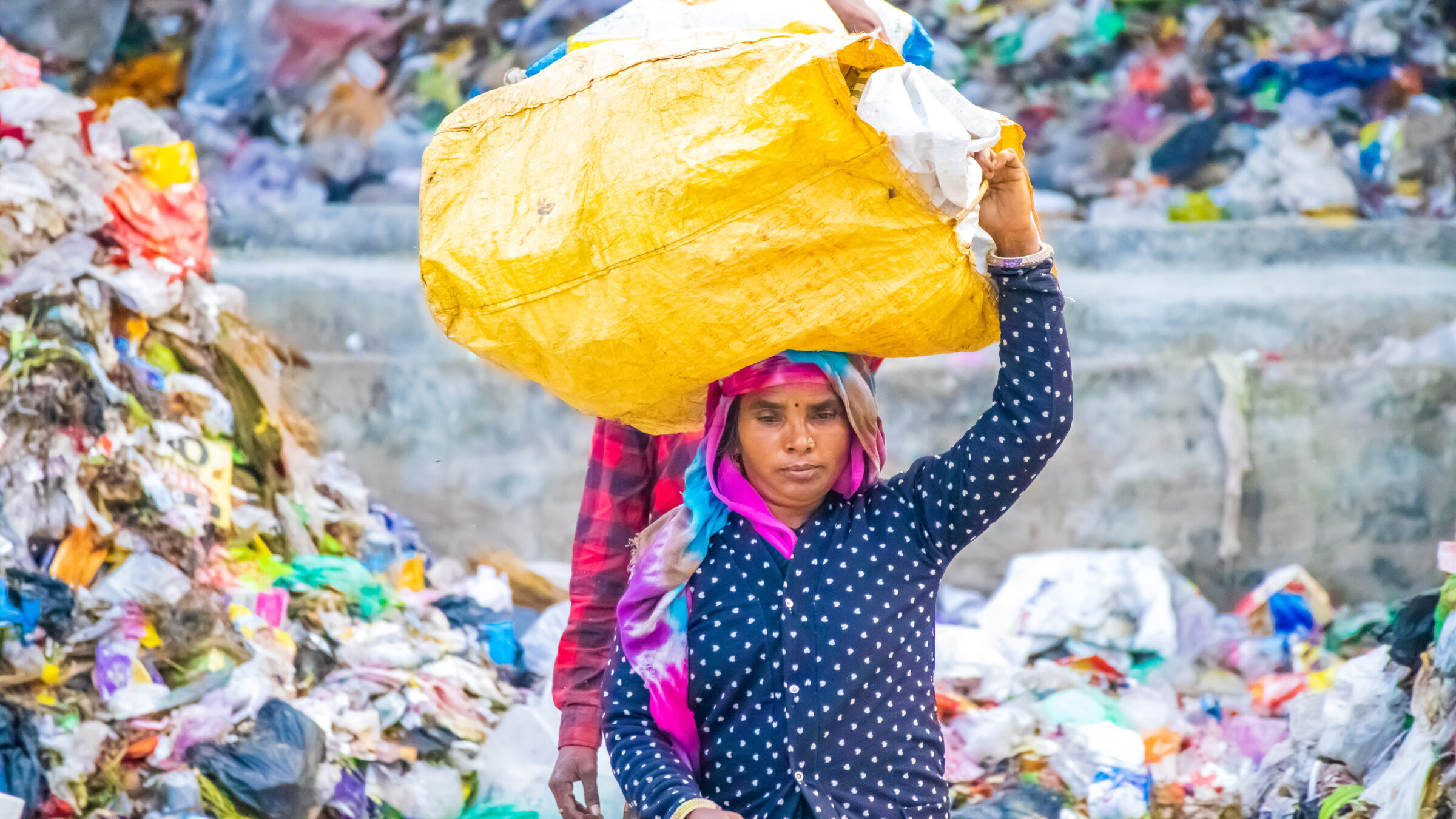
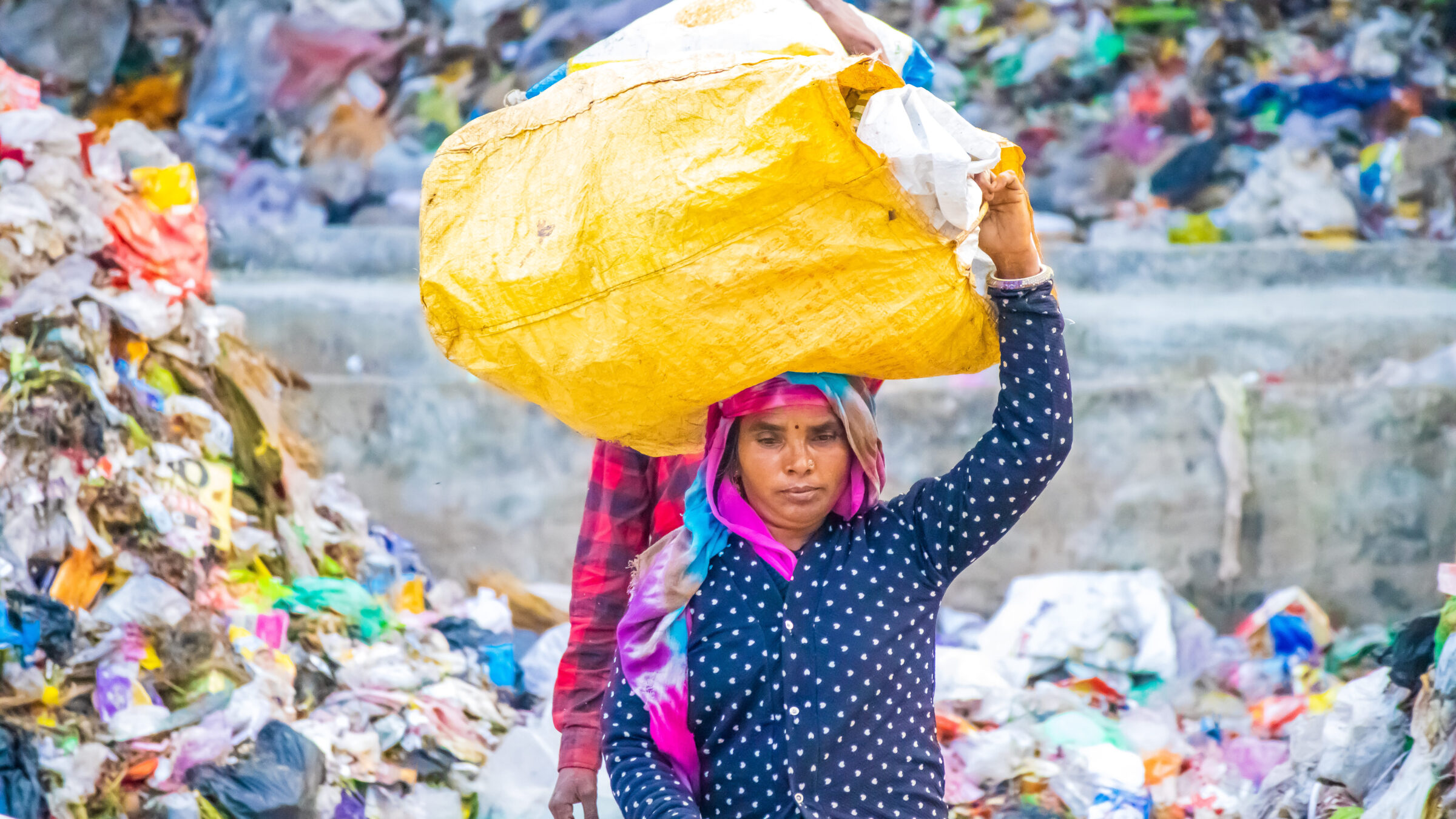
Organic waste is a major component of municipal solid waste. Most originates from household waste but commercial, institutional and industrial waste can also contain significant proportions of organic waste e.g. market waste. Organic waste is biodegradable and can be processed in the presence of oxygen by composting or in the absence of oxygen using anaerobic digestion. Both methods produce a soil conditioner, which when prepared correctly can also be used as a valuable source of nutrients in urban agriculture. Anaerobic digestion also produces methane gas an important source of bio-energy.
Under this theme you can find information on:
- the properties of organic waste and its decomposition
- different composting methods
- anaerobic digestion and the production of bio energy
- urban agriculture
- literature related to organic waste recovery and treatment
- other useful links.
Fact sheet Anaerobic Digestion
-
This fact sheet is a direct copy from the Information Sheet from the Warmer Bulletin published by Residua. For more information you can visit:www.residua.com.
The document can be downloaded as pdf at the end of the article.
Read more
Project: APUGEDU
-
Recycling Urban Waste in Urban Agriculture in Bamako and Ouagadougou
This applied research project examines the technical and operational potential for improving the use of urban organic waste in urban and peri-urban agriculture in Bamako, Mali and Ouagadougou, Burkina Faso. The project's timeframe is March 1999 to May 2002.
WASTE was involved in this project which was led by LEI in Wageningen.
Read more
Publications on composting
-
The organisation Sandec/Eawag has published several documents on composting especially on decentralised composting.
Read more or
www.sandec.ch
The Organic Waste Flow in Integrated Sustainable Waste Management
-
Part of Integrated Sustainable Waste Management - A Set of Five Tools for Decision-makers - Experiences from the Urban Waste Expertise Programme (1995 - 2001)
It is designed to identify and understand the role that composting plays in ISWM systems. This is important since the organic waste stream is the largest waste component in most developing countries and the one that has the least chance of being recovered without intervention
Read more or download tools_organic_eng ebook.pdf (1.02 MB)
Organic Waste - Options for small-scale resource recovery
-
Urban Waste Series 1 - This document describes low-cost options for the use of urban organic waste to generate useful end products, which support agriculture and energy generation. Activities discussed include animal raising, composting and co-composting, biogas generation and the production of briquettes.
Read more or download Organic Waste.pdf (861 kB)
Wasted Agriculture, the use of compost in urban agriculture
-
Composting of Organic Household Waste, UWEP Working Document 1
Urban agriculture may not be the most efficient means to grow fruit and vegetables. Nevertheless, for many people in the South it is an important source of food and/or income. This study looks at how compost from urban waste is used in urban agriculture and generates new ideas for further developing this strategy for turning urban waste into food.
Read more or download WD1.pdf (661 kB)
Technical and Economic Analysis of Composting Enterprises in Bangalore, India
-
Case study on composting in India.
A thorough analysis of five different composting companies and organisations in Bangalore.
Read more or download CS_com ind ebook.pdf (437 kB)
Technical and Economic Analysis of Bhaktapur Compost Plant - Nepal
-
Case Study Report Composting
Read more or download CS comp nep ebook.pdf (1.40 MB)
Composting in the Philippines
-
Case Study report on Composting in the Philippines
Read more or download cs com phi ebook.pdf (1.58 MB)